The Importance of Biodiversity Monitoring in Modern Agriculture
Introduction to Biodiversity in Agriculture
Biodiversity in agriculture refers to the variety of living organisms that coexist within farm ecosystems, including plants, animals, microbes, and insects that contribute to the farm’s ecological balance.
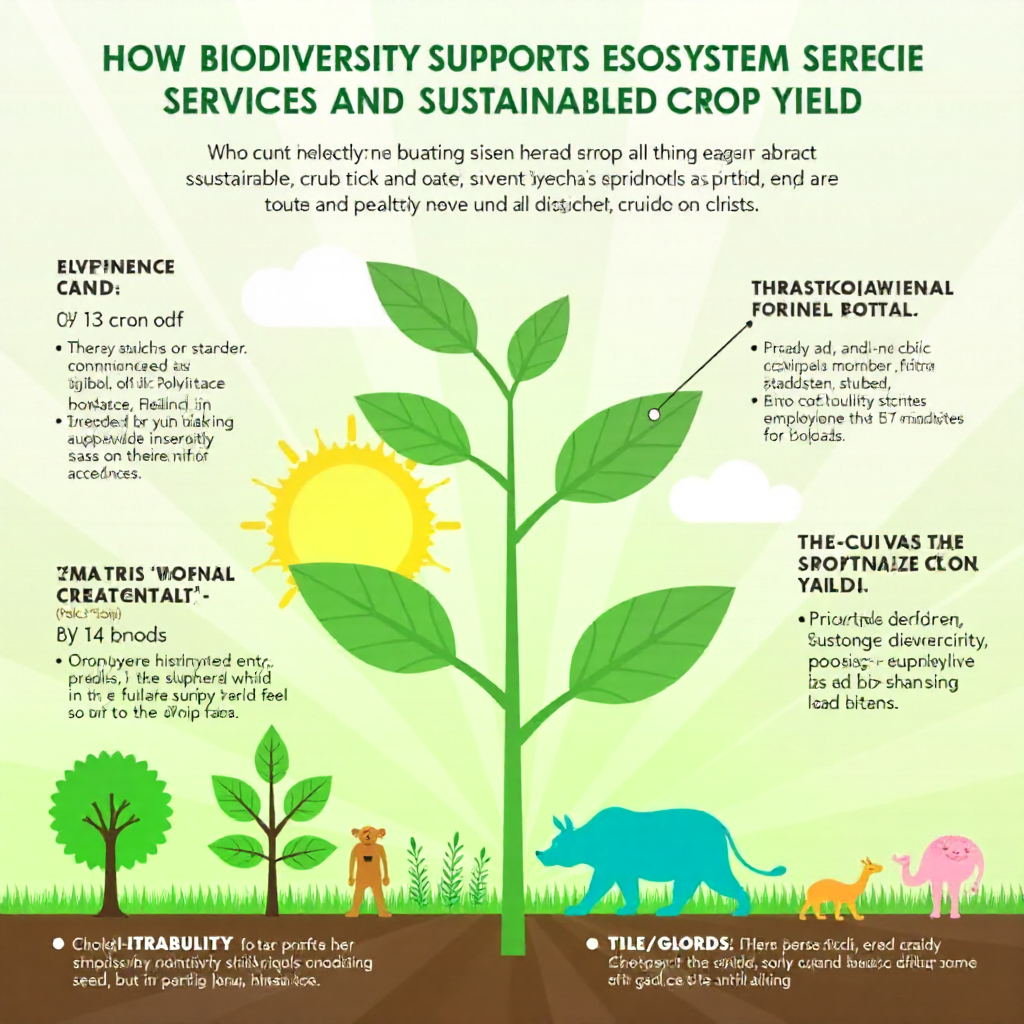
This diversity is crucial for agricultural sustainability because it supports ecosystem resilience, nutrient cycling, soil health, and natural pest regulation—foundations that underpin productive and sustainable farming. Without rich biodiversity, farms become more vulnerable to pests, diseases, and environmental stresses.
Understanding the role of biodiversity means recognizing that agriculture is not just about crops and livestock, but a complex web of interconnected species that together ensure long-term productivity and environmental health.
Why Monitor Biodiversity?
Monitoring biodiversity is essential because it provides measurable insights into the health of farm ecosystems, helping farmers optimize crop productivity and manage pests naturally.
Ecologically, biodiversity enhances ecosystem services such as pollination, soil fertility, and pest control. For instance, diverse insect populations can regulate pests without the need for excessive chemical inputs, reducing environmental harm and costs. Economically, this translates to more stable yields and reduced reliance on expensive agrochemicals.
Furthermore, maintaining biodiversity enhances resilience against climate extremes or disease outbreaks. Farms that track biodiversity data are better positioned to intervene early in ecological imbalances, securing both yield quality and farm sustainability.
The Role of Technology and Protocols in Biodiversity Monitoring
Technological innovations like the Element-E biodiversity monitoring protocol provide standardized, accurate methods to measure and track biodiversity on farms.
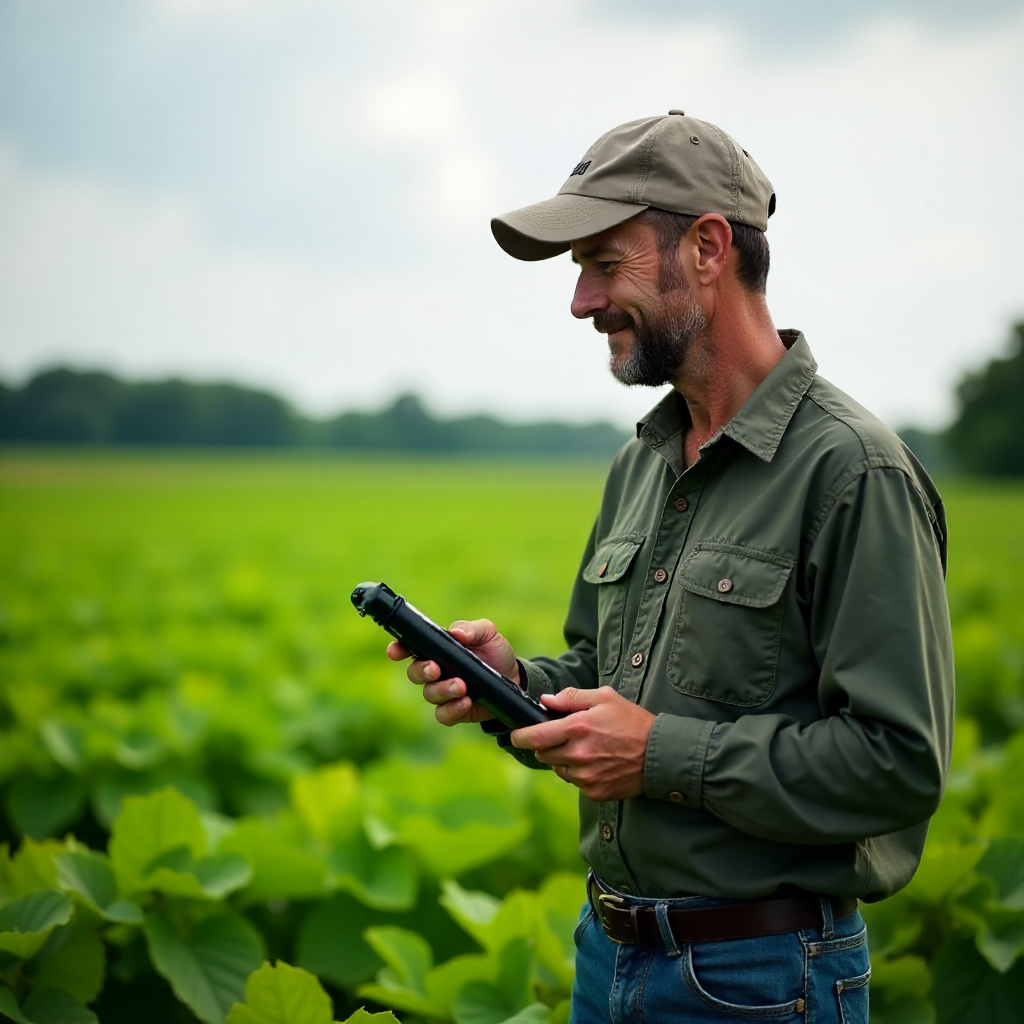
Element-E, a leading naturetech innovation, uses sensor arrays, automated data collection, and machine learning to quantify flora and fauna diversity in agricultural settings. This protocol supports farmers by delivering reliable real-time biodiversity metrics, turning complex ecological data into actionable insights.
Such technology eliminates much of the guesswork in traditional biodiversity assessments, enabling farmers to implement data-driven farm management that balances productivity with environmental stewardship.
Other naturetech tools include remote sensing drones, bioacoustic monitoring, and environmental DNA (eDNA) sampling—each contributing to a comprehensive biodiversity picture crucial for decision-making.
Integrating Biodiversity Monitoring into Sustainable Agricultural Practices
Farmers can integrate biodiversity monitoring into daily practices by using collected metrics to guide sustainable interventions that improve ecosystem health and agricultural sustainability.
This involves applying biodiversity data to:
- Adjust crop rotations and intercropping schemes to support beneficial species
- Optimize the timing and methods of pest control to minimize non-target impacts
- Enhance soil management practices that support microbial and invertebrate diversity
- Maintain or restore natural habitats on farm boundaries to promote ecosystem services
The integration of biodiversity data ensures that sustainable agriculture does not rely on assumptions but on measurable outcomes, leading to more resilient farming systems that conserve resources and improve long-term productivity.
Corporate Biodiversity Measurement and Reporting
Corporate biodiversity measurement is becoming a critical aspect of agribusinesses’ environmental, social, and governance (ESG) commitments, requiring transparent assessment and reporting of their biodiversity impacts.
Companies in agriculture are increasingly held accountable for conserving biodiversity due to regulatory pressures and consumer demand for sustainability. Measuring biodiversity impacts allows corporations to:
- Evaluate the environmental impact of their supply chains
- Identify risks related to biodiversity loss
- Set science-based targets for conservation and restoration
- Communicate progress transparently to stakeholders
Protocols like Element-E facilitate standardized biodiversity measurement, making corporate sustainability reporting more credible, actionable, and comparable across farms and regions.
Challenges and Future Directions in Agriculture Biodiversity Monitoring
Despite advances, challenges remain in widespread biodiversity monitoring on farms, including costs, technical complexity, and data interpretation difficulties.
Many farmers lack access to affordable technologies or expertise to apply biodiversity metrics effectively. Additionally, translating biodiversity data into clear management actions requires integrating ecological knowledge with farm economics.
Future directions include developing more user-friendly naturetech tools, integrating AI for predictive ecosystem management, and establishing collaborative platforms that share biodiversity data across landscapes to support regional conservation efforts.
Innovation must balance precision with accessibility to ensure biodiversity monitoring becomes a standard part of modern agricultural systems, helping farmers navigate trade-offs between production and conservation.
Conclusion: The Path Forward for Biodiversity in Agriculture
Embracing biodiversity monitoring is essential for advancing sustainable agriculture that meets global food demands while preserving ecosystems.
By leveraging protocols like Element-E and naturetech innovations, farmers and corporations can make informed decisions that enhance ecosystem services, reduce environmental impacts, and boost resilience. Biodiversity measurement transforms sustainable agriculture from a concept into a data-driven practice with real-world benefits.
Ultimately, monitoring biodiversity is not just good for the environment—it is smart farm management that ensures ecosystems and agriculture thrive together for generations to come.
Frequently Asked Questions
What is biodiversity monitoring in agriculture?
Biodiversity monitoring in agriculture is the process of systematically tracking and measuring the variety of living organisms on farms to assess ecosystem health and guide sustainable management practices.
How does the Element-E biodiversity protocol work?
The Element-E protocol uses automated sensors, remote detection, and data analytics to quantify species diversity and abundance on farms, providing standardized and actionable biodiversity metrics for farm managers.
Why is biodiversity important for crop yields?
Biodiversity supports crop yields by enhancing ecosystem services such as pollination, natural pest control, and soil fertility, which lead to healthier plants and more resilient production systems.
What role does corporate reporting play in biodiversity conservation?
Corporate reporting measures and discloses the biodiversity impacts of agribusinesses, promoting transparency, accountability, and targeted actions to reduce negative environmental effects as part of ESG goals.
How can farmers start monitoring biodiversity on their land?
Farmers can begin by adopting simple observation protocols, using affordable sensor tools, and partnering with services that offer biodiversity data collection and interpretation, gradually integrating these insights into their farm management decisions.