The Economic Benefits of Investing in Biodiversity
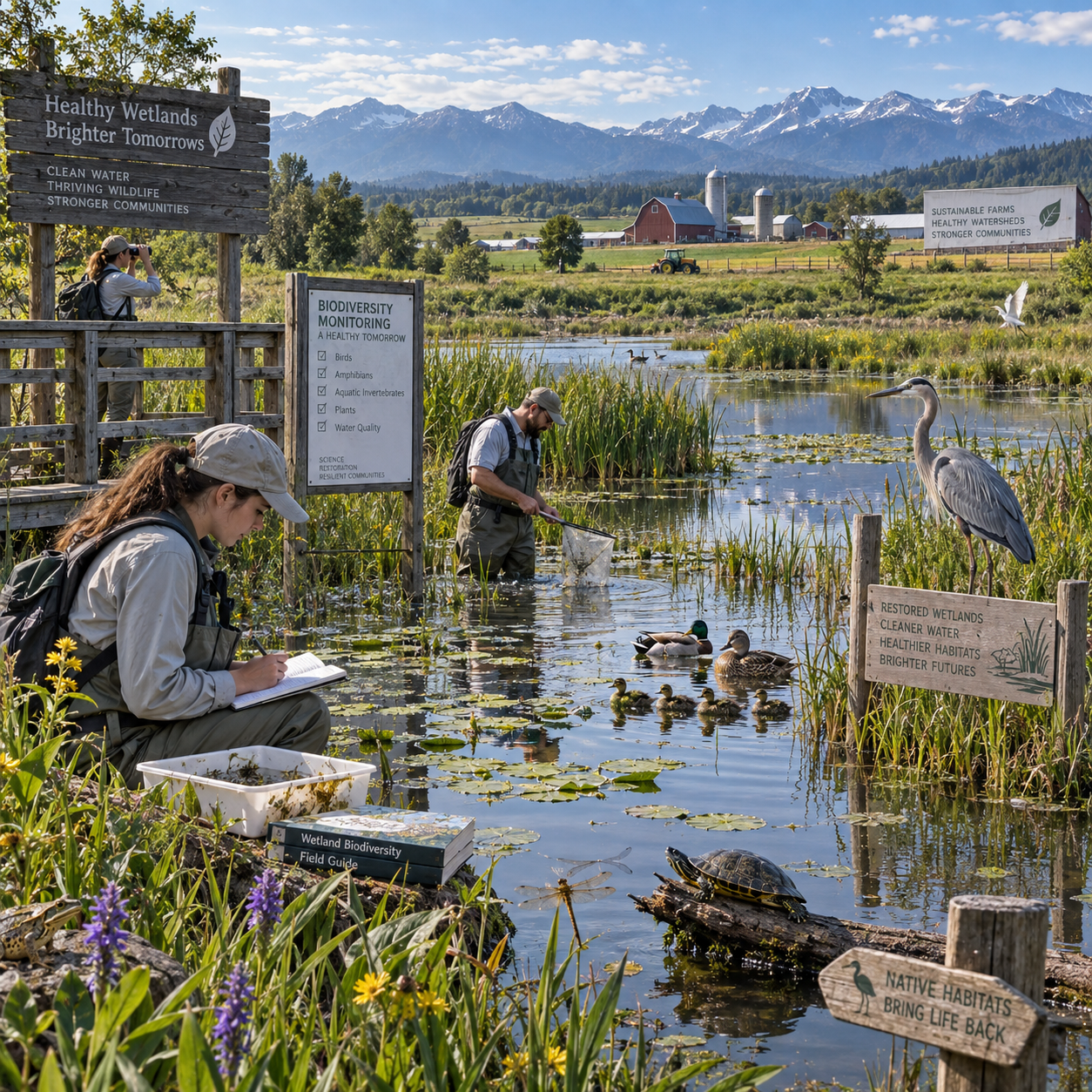
Biodiversity investment can generate economic value by protecting the ecosystems that businesses, governments, and communities depend on. Healthy habitats support food production, clean water, pollination, flood control, tourism, and resilient supply chains, while biodiversity monitoring provides the evidence needed to measure conservation outcomes and improve decisions.
Why Biodiversity Has Economic Value
Biodiversity has economic value because ecosystems provide essential services that support production, public infrastructure, livelihoods, and human wellbeing. These services, often called ecosystem services, include pollination, soil formation, water purification, carbon storage, erosion control, pest regulation, and natural protection from floods and storms.
Businesses frequently depend on these services without recording them as conventional assets. A food company may rely on pollinators and fertile soil. A water utility may depend on forests and wetlands that filter water before it reaches treatment facilities. A tourism operator may depend on healthy reefs, wildlife, landscapes, and cultural heritage.
This dependency is part of a company’s relationship with natural capital: the stock of natural resources and ecosystems that produces benefits over time. When natural capital is maintained, it can support stable costs and predictable operations. When it declines, organizations may need to replace free or low-cost ecological functions with engineered alternatives.
The economic connection also extends to local communities. Small-scale farmers, fishers, forest workers, guides, and Indigenous communities often depend directly on functioning ecosystems. Investing in biodiversity can therefore support income diversification, food security, public health, and local economic stability. The United Nations Environment Programme describes nature finance as a critical part of closing the gap between environmental needs and current investment.
The Economic Risks of Biodiversity Loss
Biodiversity loss creates economic risk by weakening ecosystem services, disrupting operations, increasing input costs, and exposing organizations to regulation, litigation, and changing market expectations. The effects may appear gradually, but they can become financially significant when several dependencies fail at once.
Degraded soils can reduce agricultural productivity and increase fertilizer or irrigation requirements. Declining fish stocks can affect food processors, restaurants, ports, and coastal employment. Deforestation and watershed degradation can increase sedimentation, water-treatment costs, landslide exposure, and flood damage.
Nature-related risk usually falls into three connected categories:
- Physical risk: shortages, ecosystem degradation, supply interruptions, and damage caused by weaker natural defenses.
- Transition risk: costs linked to new regulations, procurement standards, disclosure requirements, or shifts in consumer and investor preferences.
- Reputational and legal risk: loss of trust or liability when operations harm habitats, species, or communities.
Biodiversity loss can also amplify climate vulnerability. A mangrove restoration project, for example, may support fish habitat while reducing coastal exposure to storm surges. A diverse agricultural system may be better able to recover from drought or pest outbreaks. This is why biodiversity investment contributes to climate resilience, even though biodiversity and climate objectives are not identical.
The trade-off is clear: avoiding short-term spending on ecological management may increase long-term exposure. However, restoration is not a universal substitute for impact prevention. Protecting intact habitat is often more reliable than trying to recreate complex ecological functions after damage has occurred.
Key Economic Benefits of Biodiversity Investment
The key economic benefits of biodiversity investment include greater resilience, resource security, productivity gains, avoided costs, innovation, and access to emerging sustainable finance opportunities. The mix of benefits depends on the ecosystem, intervention, time horizon, and quality of measurement.
Resilience and resource security
Restored wetlands can retain water and reduce flood pressure. Healthy forests can stabilize watersheds and improve water availability. Diverse farms can spread production risk across crops, varieties, and habitats. These outcomes may reduce disruption rather than produce a separate line of revenue, making them easy to overlook in conventional investment models.
Productivity and operational efficiency
Improved soil health can support yields and reduce dependence on certain inputs. Natural pest control can complement crop protection. Better watershed management can reduce treatment burdens for water-intensive operations. Such gains should be tested locally because ecological outcomes vary by climate, land use, baseline condition, and management quality.
Avoided costs and new opportunities
Biodiversity investment can help avoid remediation, insurance, emergency response, supply substitution, and infrastructure costs. It can also create opportunities in ecological restoration, nature-positive agriculture, responsible tourism, environmental data, and habitat management.
For investors, these benefits may appear as lower downside risk, stronger asset durability, improved access to capital, or better alignment with sustainable finance criteria. They are not guaranteed returns. A credible business case should distinguish direct cash flow from avoided loss, risk reduction, and wider social value.
How Biodiversity Monitoring Supports Better Investment Decisions
Biodiversity monitoring supports investment decisions by establishing a baseline, measuring ecological change, identifying risks, and verifying whether funded actions deliver meaningful results. Without monitoring, organizations may report activity, such as hectares planted, without knowing whether habitat condition or ecosystem function improved.
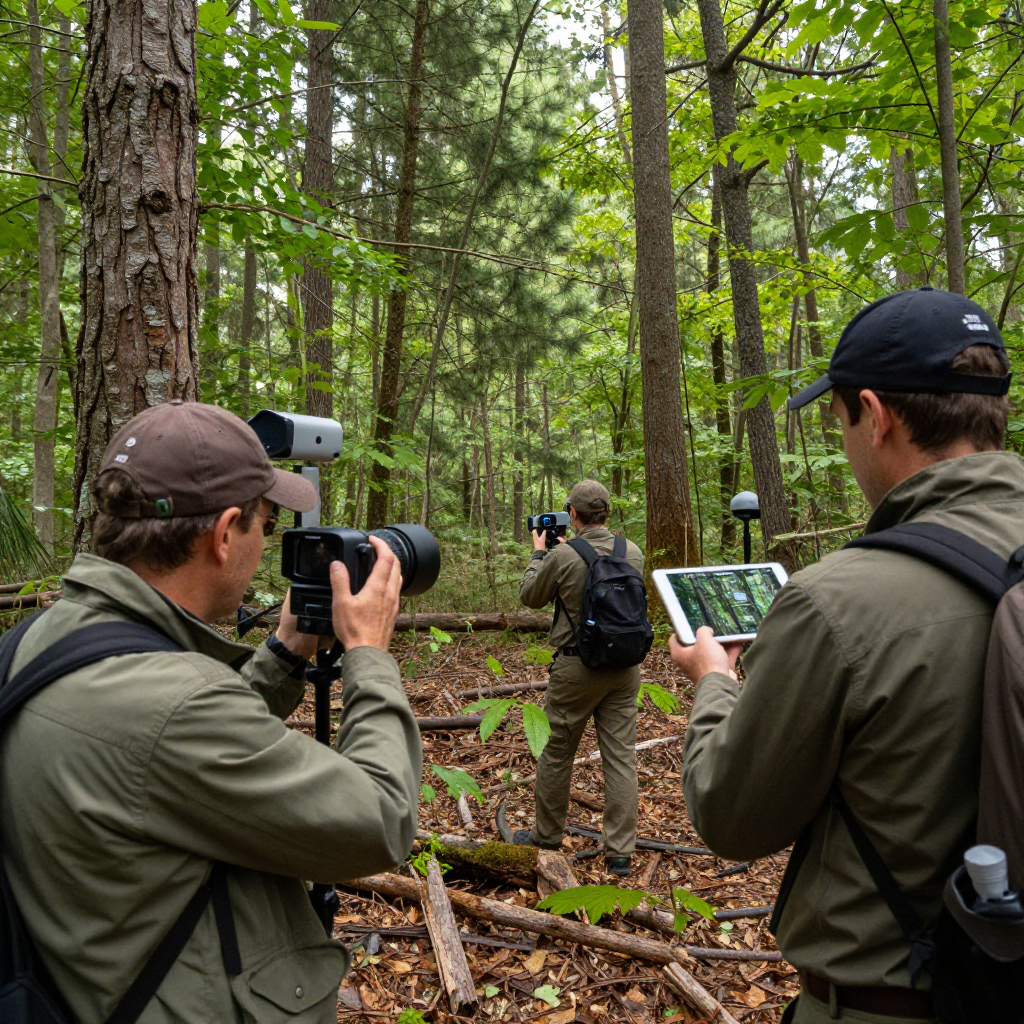
A practical monitoring system links ecological indicators to business questions. It may combine field surveys, remote sensing, environmental DNA, acoustic sensors, camera traps, water-quality sampling, and community observations. The appropriate method depends on the target species, habitat, geography, budget, and decision being made.
- Baseline: Record species presence, habitat extent, condition, threats, and relevant ecosystem functions before intervention.
- Pressure indicators: Track pollution, invasive species, land conversion, overharvesting, fragmentation, or water withdrawal.
- Response indicators: Measure restoration progress, species recovery, habitat connectivity, regeneration, and ecosystem function.
- Business indicators: Connect ecological change with downtime, input costs, water reliability, supply-chain exposure, insurance conditions, or regulatory compliance.
Monitoring should include a clear comparison point, such as pre-project conditions or a suitable reference site. Repeated measurements matter because ecosystems change seasonally and may recover over several years. Transparent methods also make biodiversity claims more credible to lenders, regulators, customers, and local communities.
Biodiversity Investment Across Industries and Communities
Biodiversity investment creates different economic benefits across industries because each sector depends on different species, habitats, and ecosystem functions. The strongest projects connect a specific business dependency with a measurable intervention and a realistic monitoring plan.
- Agriculture: Agroforestry, hedgerows, cover crops, wetland protection, and integrated pest management can support soil health, pollination, water retention, and farm resilience.
- Forestry: Mixed-species restoration, habitat corridors, reduced-impact harvesting, and protection of high-value ecosystems can improve landscape condition and reduce exposure to fire, erosion, and resource depletion.
- Infrastructure: Green infrastructure, wildlife crossings, riparian buffers, and nature-based flood management can complement engineered assets while reducing ecological fragmentation.
- Finance: Banks and asset managers can screen portfolios for nature-related risk, engage companies, direct capital toward restoration projects, and require credible outcome reporting.
- Tourism: Protecting wildlife, reefs, forests, and cultural landscapes can support visitor demand, local employment, and destination resilience, provided tourism remains within ecological limits.
- Local communities: Community-led conservation, sustainable harvesting, restoration employment, and benefit-sharing can connect ecological improvement with household income and local governance.
Projects should avoid treating local communities as passive beneficiaries. Their knowledge, rights, access to land, and participation in decision-making can affect both project legitimacy and ecological durability. Biodiversity credits and offsets also require caution: they cannot automatically compensate for every impact, and claims depend on additionality, permanence, leakage controls, and robust measurement.
How to Evaluate the Return on Biodiversity Investment
The return on biodiversity investment should be evaluated across financial, operational, ecological, and social outcomes rather than through a single headline number. A dashboard is usually more informative than forcing complex ecosystem benefits into one monetized return.
Financial and operational metrics
- Changes in operating costs, input use, water treatment, insurance exposure, downtime, and maintenance requirements.
- Revenue from sustainable products, nature-based tourism, restoration contracts, or improved market access.
- Capital protected, avoided damage, reduced supply-chain disruption, and changes in financing conditions.
Ecological and social metrics
- Species richness, abundance of priority species, habitat area, habitat condition, and connectivity.
- Water quality, soil organic matter, pollination activity, regeneration rates, and other ecosystem-function measures.
- Restoration survival, threat reduction, local employment, income distribution, participation, and community-defined outcomes.
Evaluation should record costs, timeframes, assumptions, and counterfactuals. A project that produces strong ecological improvement but no immediate revenue may still be valuable because it reduces future risk or protects public benefits. Conversely, a project that reports large planting totals but poor survival or declining habitat quality needs corrective action.
Building a Practical Biodiversity Investment Strategy
To build a practical biodiversity investment strategy, assess dependencies and impacts, set context-specific targets, choose interventions, monitor outcomes, and adapt management as evidence changes. This sequence keeps investment connected to both business priorities and ecological reality.
- Map dependencies and impacts. Identify sites, suppliers, commodities, ecosystems, priority species, and communities connected to operations.
- Set a baseline. Document habitat condition, species data, ecosystem functions, existing pressures, and relevant operational exposure.
- Prioritize action. Protect intact ecosystems first, then reduce impacts, restore degraded areas, and support broader landscape initiatives.
- Define measurable targets. Specify location, timeframe, ecological indicators, responsible teams, and business outcomes. Avoid vague commitments such as simply being nature positive.
- Select finance and governance tools. Use operating budgets, supply-chain contracts, green finance, blended finance, conservation agreements, or restoration partnerships where appropriate.
- Monitor and disclose progress. Use consistent methods, report setbacks, involve local communities, and publish enough detail for independent review.
- Adapt management. Change the intervention when monitoring shows low survival, unexpected impacts, weak community benefits, or limited risk reduction.
A useful decision rule is the CARE test: Connection to a real dependency, Additionality beyond business as usual, Results demonstrated through monitoring, and Equity for affected communities. It does not replace technical due diligence, but it helps screen out projects that sound attractive while lacking a credible pathway to impact.
Frequently Asked Questions About Biodiversity Investment
What does investing in biodiversity mean?
Investing in biodiversity means directing money, resources, or management effort toward protecting species, habitats, and ecosystem functions while reducing harmful impacts. It can include conservation, restoration projects, sustainable production, monitoring, and community partnerships.
How can biodiversity create financial value?
Biodiversity can create financial value through productivity gains, more reliable resources, avoided damage, lower operational risk, stronger supply chains, new products, and improved access to sustainable finance. The benefit may be direct revenue or a reduction in future losses.
Why is biodiversity monitoring important for investors?
Biodiversity monitoring gives investors evidence about baseline conditions, project performance, nature-related risk, and the credibility of environmental claims. It helps distinguish measurable improvement from activity that produces little ecological change.
Which metrics can measure biodiversity investment outcomes?
Useful metrics include species and habitat condition, ecosystem function, restoration progress, water and soil indicators, supply-chain exposure, operational disruption, avoided costs, and community outcomes. Metrics should match the local ecosystem and investment objective.
How can businesses begin investing in biodiversity?
Businesses can begin by mapping dependencies and impacts, identifying priority locations, establishing a baseline, setting measurable targets, funding prevention or restoration, and creating a long-term biodiversity monitoring plan. Starting with one material site or supply chain can make the process manageable while generating evidence for expansion.