Sustainable Farming Practices That Boost Ecosystem Health
Understanding Ecosystem Health in Agricultural Landscapes
Ecosystem health in agricultural landscapes means maintaining the natural functions, biodiversity, and resilience of farmland environments. It ensures that the land supports productive crops while sustaining wildlife, soil, and water quality.
A healthy ecosystem in farming areas balances crop production with biodiversity, water cycles, and natural pest control. This balance prevents degradation such as soil erosion or pesticide pollution and promotes long-term agricultural sustainability. Recognizing ecosystem health is critical for adopting farming methods that nourish rather than deplete natural resources.
Key Sustainable Farming Practices Supporting Biodiversity
The most effective sustainable farming practices that support biodiversity include crop rotation, cover cropping, agroforestry, and integrated pest management (IPM). These methods create dynamic, resilient ecosystems that benefit both crops and native species.
- Crop rotation involves alternating the types of crops grown on a field each season, which disrupts pest cycles and improves soil nutrient balance.
- Cover cropping plants like clover or rye protect soil from erosion, add organic matter, and enhance soil biodiversity.
- Agroforestry integrates trees with crops or livestock, providing habitat for pollinators and wildlife while improving microclimate and carbon sequestration.
- Integrated pest management (IPM) reduces chemical pesticide use by promoting natural predators and using targeted, minimal interventions.
These sustainable farming practices create patches of diverse habitats that support birds, insects, soil microbes, and other organisms. By fostering biodiversity, farms become more resilient to climate change and pests.
Role of Soil Health and Water Management
Maintaining soil health and managing water sustainably are cornerstones of ecosystem-friendly farming. Healthy soil contains rich, living organic matter that supports nutrient cycling and water retention.
Good soil management practices include reducing tillage to preserve soil structure, maintaining organic inputs, and preventing contamination. Proper water management ensures irrigation efficiency, prevents runoff, and protects waterways from agricultural pollutants.
Together, soil and water stewardship sustain the ecosystem services essential for crop growth and biodiversity. Soils with high biological activity support beneficial microbes and earthworms, which in turn improve plant health and ecosystem stability.
Integrating Biodiversity Monitoring with Element-E Protocol
The Element-E protocol is a scientifically rigorous biodiversity monitoring tool designed to assess ecosystem health on farms. It uses standardized metrics to track species presence, habitat quality, and ecological function.
By integrating Element-E biodiversity monitoring into farming operations, land managers gain data-driven insights into how different agricultural practices impact local wildlife and habitats. Monitoring enables adaptive management to enhance ecosystem services while meeting production goals.
This protocol supports evidence-based decisions and transparent reporting, aligning sustainable farming with corporate sustainability agendas. Using Element-E helps demonstrate measurable improvements in biodiversity, which is vital for certification and regulatory compliance.
Corporate Strategies for Measuring and Enhancing Agricultural Biodiversity
Corporations increasingly adopt frameworks to measure and improve biodiversity on their agricultural lands. Approaches include setting biodiversity targets, conducting baseline ecological assessments, and investing in nature-based solutions.
Companies integrate biodiversity metrics into sustainability reporting to fulfill Environmental, Social, and Governance (ESG) commitments. Tools like the Element-E protocol provide reliable data for these evaluations.
To enhance biodiversity, corporations implement habitat restoration, support agroecological practices, and engage stakeholders from farm workers to local communities. These strategies balance profitability with ecosystem stewardship, driving long-term value by reducing risks associated with biodiversity loss.
Challenges and Opportunities in Adopting Sustainable Practices
Farmers face challenges adopting sustainable practices, such as upfront costs, knowledge gaps, and uncertain short-term returns. Transitioning from conventional methods often requires new skills and changes in management.
However, opportunities exist through government incentives, technical assistance, and market premiums for sustainably produced goods. Leveraging digital tools for biodiversity monitoring and soil health can guide adaptive management and reduce risks.
Successful adoption depends on building local networks, sharing best practices, and integrating sustainability into core business goals. While some trade-offs exist—such as potential initial yield reductions—the long-term benefits to ecosystem health and resilience are substantial.
Future Trends in NatureTech and Sustainable Agriculture
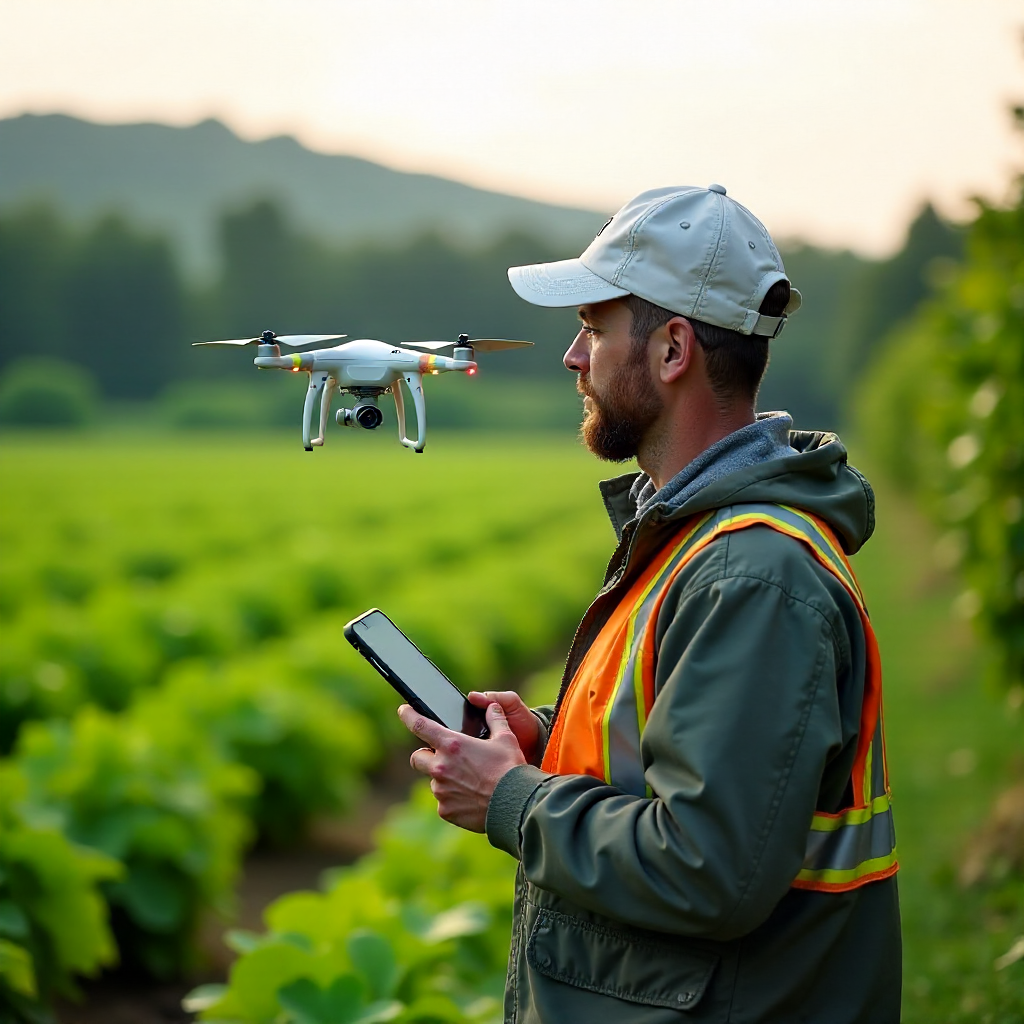
Emerging naturetech innovations are revolutionizing sustainable agriculture by enhancing biodiversity and ecosystem function. Advances include precision agriculture combined with biodiversity sensors, drone monitoring, and AI-powered data analysis.
These technologies enable real-time tracking of soil health, pest populations, and ecosystem indicators, allowing for precise interventions that minimize environmental impact. Additionally, blockchain technology is being explored for transparent biodiversity and sustainability certification.
The future of farming relies on integrating traditional ecological knowledge with cutting-edge tools, empowering farmers and corporations to scale nature-based solutions at landscape levels.
Frequently Asked Questions
What are the most effective farming practices to improve ecosystem health?
Practices like crop rotation, cover cropping, agroforestry, and integrated pest management are most effective in supporting biodiversity, improving soil health, and maintaining ecological balance on farms.
How does the Element-E protocol work in biodiversity monitoring?
Element-E uses standardized metrics to assess species diversity, habitat condition, and ecosystem function on agricultural lands, enabling data-driven management and biodiversity improvements.
Why is soil health critical to sustainable agriculture?
Healthy soil supports nutrient cycling, water retention, and microbial life that are essential for plant growth and ecosystem resilience, making it a foundation for sustainable farming.
How can corporations measure their impact on farm biodiversity?
Corporations use biodiversity assessment tools like Element-E, set clear targets, conduct ecological baseline studies, and integrate findings into sustainability reporting frameworks such as ESG.
What are upcoming technologies supporting sustainable farming?
Innovations include biodiversity sensors, drone and satellite monitoring, AI analytics, precision irrigation, and blockchain-enabled certification systems that improve farming efficiency and ecosystem outcomes.
Embracing these sustainable farming practices and tools fosters ecosystem health, ensuring agricultural landscapes remain productive and biodiverse for future generations.