Introducing Element-E: A New Standard in Biodiversity Measurement
Understanding the Importance of Biodiversity in Agriculture
Biodiversity is crucial for sustainable agriculture because it supports ecosystem resilience, soil health, and crop productivity. Diverse ecosystems help buffer farms against pests, diseases, and climate variability, making agricultural systems more stable and productive over time.
In sustainable agriculture, biodiversity encompasses beneficial insects, soil microorganisms, native plants, and wildlife that together maintain ecosystem functions essential for crop growth. For example, pollinators like bees improve yield, while predatory insects control pests naturally.
Measuring and understanding biodiversity on farms through reliable indicators is vital to managing these natural resources effectively. Without robust biodiversity measurement protocols, farmers cannot quantify or optimize their practices for ecosystem health. This is where advanced frameworks like the Element-E protocol come into play, providing standardized tools to assess and improve agricultural biodiversity comprehensively.
What Is the Element-E Protocol?
The Element-E protocol is a standardized biodiversity monitoring framework designed to provide consistent, accurate, and comparable biodiversity data across agricultural landscapes. It serves as a new benchmark for measuring biodiversity levels to support environmental impact assessments, sustainable land management, and corporate biodiversity responsibility.
Unlike fragmented or qualitative methods, Element-E offers a scientifically validated set of indicators and methodologies tailored to agriculture and natural ecosystems. It integrates field data collection, remote sensing, and ecosystem health indicators to capture the multidimensional nature of biodiversity.
The protocol is designed for scalability, allowing use from small farms to large corporate agricultural holdings, providing a common language to assess biodiversity impacts of farming practices and progress toward sustainability goals.
How Element-E Enhances Biodiversity Measurement Accuracy
Element-E improves biodiversity measurement accuracy by combining innovative methodologies and advanced biodiversity monitoring technologies. It incorporates multiple data sources—such as species inventories, habitat quality assessments, and ecosystem function metrics—to create a holistic picture of biodiversity health.
One key innovation is the protocol’s emphasis on data standardization and quality control. Element-E prescribes precise sampling methods, frequency, and spatial coverage guidelines to ensure measurements are replicable and comparable. This reduces variability caused by differing methodologies.
Furthermore, Element-E leverages cutting-edge technologies like drone imaging, acoustic sensors, and AI-powered species recognition to supplement traditional surveys. This integration enhances detection accuracy of cryptic or rare species often missed by manual methods.
With its robust framework, Element-E enables both researchers and practitioners to generate biodiversity data that stands up to rigorous environmental impact assessments and supports credible corporate reporting.
Applying Element-E in Sustainable Agricultural Practices
Farmers and land managers can use Element-E to guide and optimize sustainable agriculture practices by continuously monitoring biodiversity indicators linked to ecosystem health. This allows targeted interventions to enhance habitat diversity, soil quality, and biological control agents.
Practical applications include:
- Habitat restoration: Using Element-E data to identify degraded areas where planting native species or creating buffer zones can increase species richness.
- Integrated pest management: Tracking predator insect populations and adjusting pesticide use accordingly to reduce chemical inputs while maintaining control.
- Soil biodiversity monitoring: Assessing microbial diversity to improve nutrient cycling and soil structure through cover cropping and organic amendments.
- Crop diversification: Evaluating how polycultures and agroforestry systems affect overall biodiversity and ecosystem services.
By adopting Element-E, farmers gain actionable insights to balance productivity with ecological sustainability, making agriculture truly regenerative.
The Corporate Case for Biodiversity Measurement with Element-E
Corporations increasingly face environmental regulations and stakeholder expectations demanding transparency and accountability in biodiversity impacts. Element-E empowers companies to fulfill corporate biodiversity responsibility through standardized, verifiable measurement aligned with global reporting frameworks.
Using Element-E, businesses in agriculture, food production, and land management can:
- Demonstrate compliance with biodiversity-related sustainability standards and environmental impact assessment requirements.
- Set science-based biodiversity targets and track progress objectively over time.
- Integrate biodiversity data into environmental, social, and governance (ESG) reporting to enhance credibility with investors and consumers.
- Identify opportunities for nature-based solutions that reduce ecological footprints and generate positive societal outcomes.
Corporate adoption of Element-E provides a unified framework that transcends industry-specific protocols, facilitating consistent biodiversity benchmarking and risk management across diversified operations.
Implementing Element-E: Tools, Technologies, and Best Practices
To implement Element-E effectively, organizations should combine appropriate biodiversity monitoring technologies with disciplined data management and interpretation processes. Key recommendations include:
- Use a mix of on-the-ground surveys and remote sensing: Employ field sampling for species counts and include drone or satellite imagery to assess habitat structure.
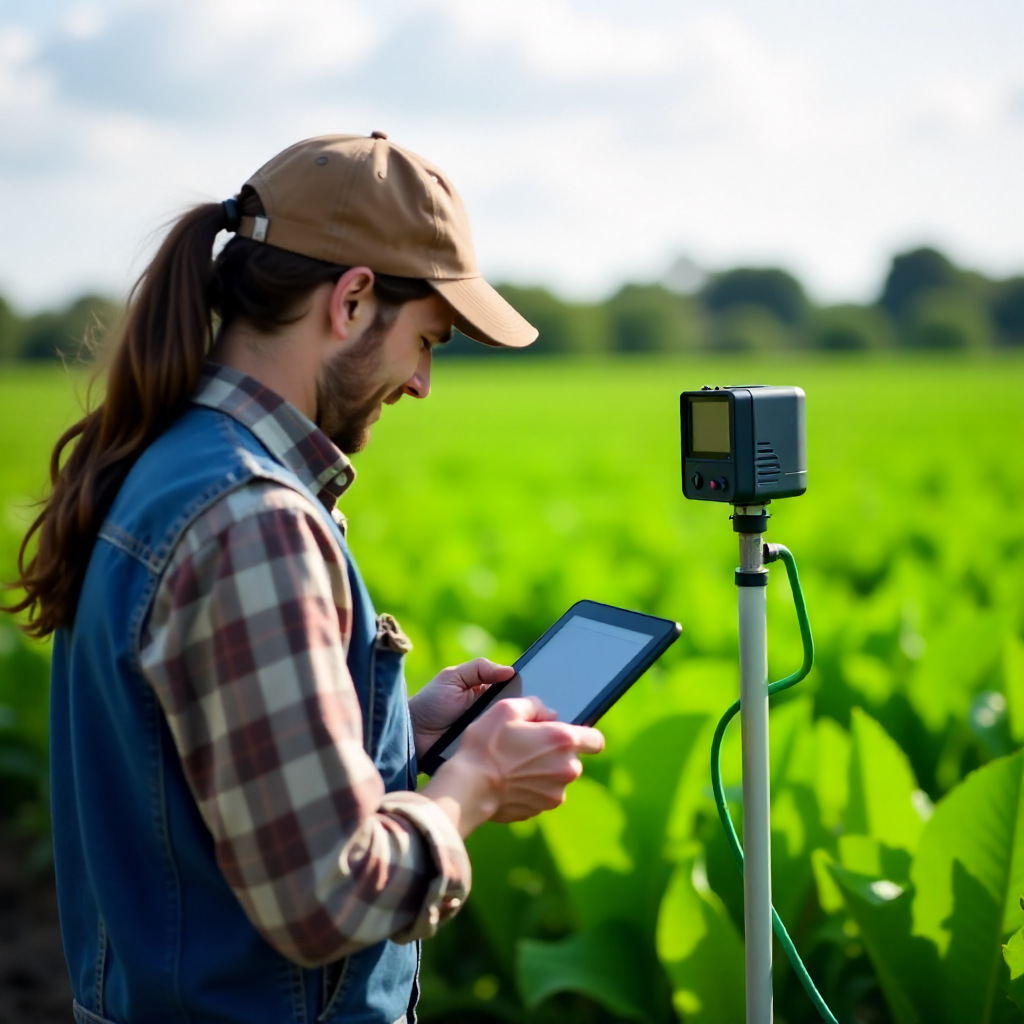
- Leverage biodiversity monitoring technologies: Acoustic sensors for bird and insect calls, camera traps for wildlife, and AI-powered identification software increase data granularity and reduce labor demands.
- Follow the standardized sampling design: Adhere strictly to Element-E’s protocols on timing, site selection, and replication to maintain data comparability.
- Develop centralized biodiversity databases: Integrate data collected into centralized systems enabling trend analysis, validation, and reporting.
- Train personnel and stakeholders: Build capacity for accurate data collection, interpretation, and adaptive management based on findings.
While Element-E provides a comprehensive framework, successful implementation requires organizational commitment to ongoing monitoring and a culture that values ecological outcomes alongside production metrics.
Frequently Asked Questions About Element-E
What makes Element-E different from other biodiversity monitoring protocols?
Element-E stands out because it combines rigorous data standardization with innovative monitoring technologies tailored specifically for agricultural landscapes. This hybrid approach enhances accuracy, comparability, and practical applicability across farm sizes and corporate settings.
Can small-scale farmers use Element-E effectively?
Yes, Element-E is scalable and adaptable. Small-scale farmers can apply core elements of the protocol to monitor key biodiversity indicators relevant to their operations without excessive costs, benefiting from guided methodologies and user-friendly technology options.
How does Element-E support corporate sustainability goals?
Element-E helps companies meet biodiversity commitments by providing verifiable, standardized data aligned with international reporting standards. It facilitates target setting, impact assessment, and communication of progress on biodiversity conservation.
What types of biodiversity does Element-E measure?
Element-E measures multiple biodiversity facets including species diversity (plants, insects, animals), habitat quality, soil microbial communities, and ecosystem functions—offering a well-rounded view of ecosystem health.
How can data from Element-E be integrated into environmental reporting?
Data generated follows standardized formats enabling easy incorporation into ESG reports, sustainability disclosures, and regulatory filings, enhancing transparency and credibility in biodiversity performance communication.